

In an exclusive interview with The Jazz Sentinel, Grammy winner Nicole Zuraitis discusses songwriting, The Devil I Knew, jazz, and The Modern Songbook Society.
The Devil I Knew is Nicole Zuraitis’s “dream record.” Produced by Larry Klein, with horn arrangements by Jerry Hey and orchestral arrangements by Vince Mendoza, The Devil I Knew is a reflection of Zuraitis’s dedication to her unique career.
When Zuraitis won her first GRAMMY for her record, How Love Begins, she thought a big label would scoop her up and help her make the record of her dreams. She was wrong, but undeterred. She has always done things her way. A former classmate from NYU, Susan Bloomberg, worked as the executive producer on her latest record, The Devil I Knew. One of the best parts may be the fact that Zuraitis still owns her masters. This project introduces “jazzlore” to the fold as Zuraitis invites poets to help her to craft the narrative of each of the five chapters that is the 20-track record, The Devil I Knew.
After winning the Grammy for How Love Begins, Zuraitis was shocked to discover that she was the only recipient of the Best Jazz Vocal Album Grammy to have written and arranged all of the music in the category. “When How Love Begins won the Grammy, I asked myself, ‘Why hasn't anyone ever written an entire album of original music in jazz?’” How was that possible? Partly as a reaction to this information, Zuraitis founded The Modern Songbook Society, a movement (her word) that embraces songwriters. "I wanted to bring storytelling back into jazz," she remarks. The idea is value the tradition and rather than replace the great American songbook, extend its canon to living songwriters.”
Nicole Zuraitis has a rare ability to make every performance feel deeply personal. Whether singing an original composition or reimagining a standard, her voice draws listeners into stories that are both intimate and universal. Combine that with her prolific songwriting and commanding stage presence, Zuraitis has become one of the most compelling voices in jazz.
Capable of uplifting the band from behind the piano or out front on the mic, her understanding of how to control a set is decades in the making. Touring worldwide following the immediate success of her first Grammy win for How Love Begins, Zuraitis hasn’t slowed down one bit. She has the power through her performances and compositions to captivate audiences worldwide just by being herself. That may be the most incredible trait of Nicole’s. She is uniquely herself, joyful, loving and one of the most hard-working people in the business. Never veering from her goals and dreams, she continues to inspire generations of students and collaborators alike.
Zuraitis sits down with The Jazz Sentinel to discuss the business behind How Love Begins, creating the record of her dreams without the support of a label, confronting the “jazz police,” and why storytelling and "jazzlore" still remains foundational to everything she creates.
We hope you enjoy our first installment of The Jazz Sentinel with the one and only, Nicole Zuraitis.
This dialogue has been refined for clarity. Please visit The Jazz Sentinel's YouTube channel to view the complete podcast.
Colleen Clark: Welcome, Nicole Zuraitis! Introduce yourself to The Jazz Sentinel.
Nicole Zuraitis: Thank you, Dr. Colleen Clark. What a pleasure to see you. I'm so happy that The Jazz Sentinel is launching and to be part of this. I think we need it in the community.
My name is Nicole Zuraitis. I am a jazz singer songwriter, which I call Modern Song Book. I am the Founder of the Modern Songbook Society, a two-time Grammy winner, a producer, a vocalist, a session singer, an arranger and I love animals. I try to do a little bit of activism for animals in the environment in my spare time. The thing about animal rescue is that people always say, "Oh, the animals just find you." But once you decide that you want to be someone who helps the helpless, you're kind of looking for them. Everywhere I go, my eyes are peeled to try to help where I can.
Colleen Clark: You mentioned “everywhere you go.” Let's talk a little bit about your touring life post How Love Begins, which was the album that won best jazz vocal album in 2024 or 2025?
Nicole Zuraitis: 2025 was Bianca Reimagined. 2024 was How Love Begins.
Colleen Clark: Sorry, I can't keep the order of the Grammy wins straight (both laugh). Bianca Reimagined was also amazing and tied right into animal and Pitbull Rescue, right? Named after one of your amazing late great dogs Bianca. That was a big band record that you did with your husband Dan Pugach, which you produced right Nicole?
Nicole Zuraitis: Yes. Produced, was a featured artist and wrote a couple tracks. Dan was the driving force behind that one.
Colleen Clark: Amazing! Let's start with How Love Begins. Was it any different than your years of experience of writing and performing? What made this record so special for you?
Nicole Zuraitis: It was very intentional. The way that I wrote and chose those tracks, everything about How Love Begins was intentional. I had just gotten my MBA during the pandemic because I had won the American Traditions Vocal Competition and got this like $15,000 prize and I was like, "Well, I can either be taxed on this immediately or I could put it back into something." So, I was like, so I was like, “I don't have a masters. Where can I get a master's for around that?" During the pandemic all the online schools were like just come, so it was possible. I started researching different schools and got an MBA. It was crazy and hard.But it definitely taught me a lot of things, but it mostly taught me about setting time sensitive positive goals.
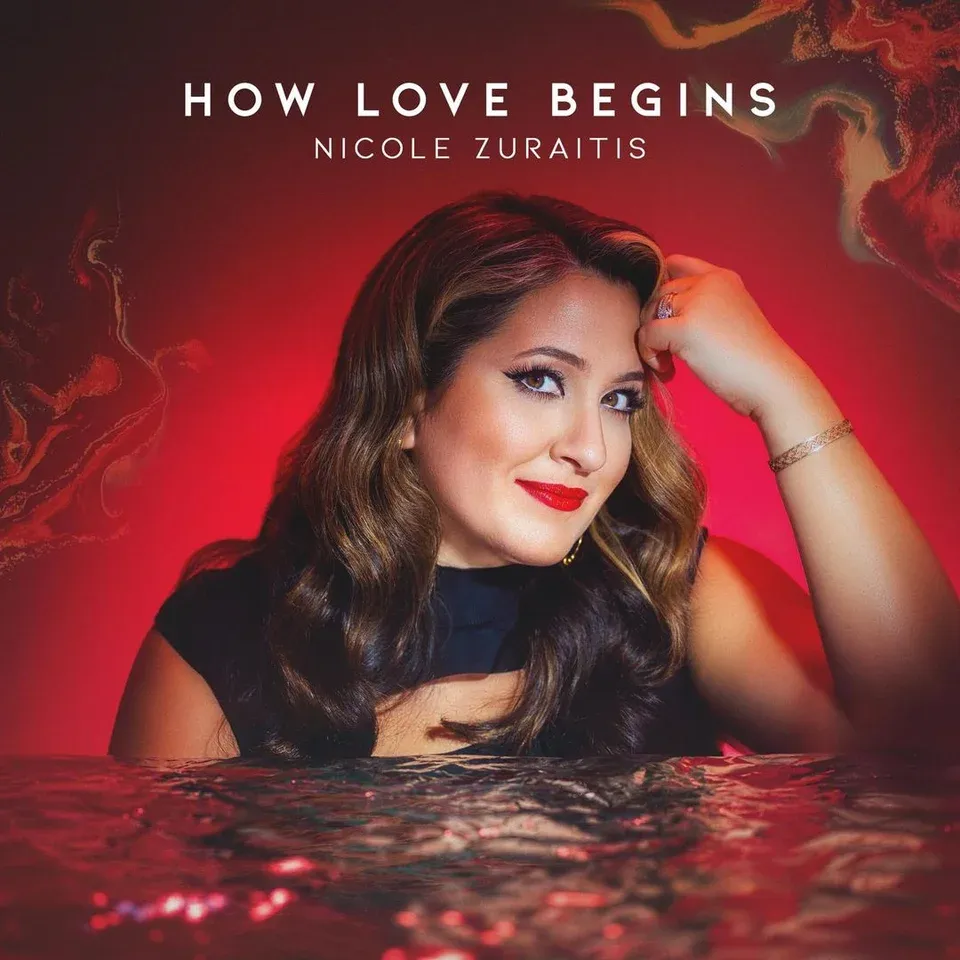
How Love Begins started when I was analyzing my previous albums, which was at that point I think five or six solo albums and multiple collaborative albums.
I was like, all of these albums have no real narrative except Hivemind. Pariah Anthem had a narrative, too. I'm very dramatic, but none of them were written for growth. It sounds coldhearted and the antithesis of what I am, but from a business mindset, I understand why people kept saying you're not jazz because if you were to put “All Wandering Hearts” in a jazz playlist, it would sound a little bit out of place.
So then I was asking myself, what makes jazz jazz? I started researching what the public, big tech, the jazz police (as I call them), had decided was accepted as jazz even though I believe jazz has so many different threads from it that it doesn't really matter. As an experiment I was like all right… Let me do a medium swing tune, something in like a hard like 6/8. We'll do a kind of bluesy rock. I really thought about each track as a choice to fit within a box, as opposed to me just writing from my heart and soul.
“Burn,” for example, was a ballad that I had written on a previous album. Then I was looking at my list and going, I don't have anything literally burning. I have nothing fast and I have Christian McBride playing bass because he's my buddy and he said, "Let's do this record." And I was like, "Okay, well, let me just make this really fast and put a bar of three in there because that's what “jazz” likes, right? As hard as we can make it."
It was all intentional and experimental. It was fascinating because it was the first time ever I was kind of acknowledged by the jazz world, was by catering to what they wanted as opposed to what was coming out of me naturally. I can do both. I have the language and I love the tradition of jazz. I have studied the tradition and the box that they want us to live in. It just blows my mind that being intentional about how I wrote and arranged ended me up with a Grammy.
Colleen Clark: When you talk about the alignment of the MBA was right prior to the recording of that record, maybe some new skills you acquired or some skills you hadn't practiced in a while were helpful in that process, right?
Nicole Zuraitis: Totally. I never thought about music as a business ever. I still kind of don't. I went through a phase during the pandemic because I'm married to a drummer and we have no financial backing. We don't come from money. We're out here in the streets like working in the trenches for years and years. We were panicking. We're like, "Okay, we're doing a virtual piano lounge, request lounge, but nothing. We don't see an end to this and we have no idea how we're going to make a living." So Dan was like, "Maybe I'll learn coding." Good thing he didn't because now AI took it over (laughs). And then and then I was like, "Uh, I need the fastest masters ever because I hate school." Sorry, Doc.
Colleen Clark: Not offended!
Nicole Zuraitis: I really started thinking about music as a business and that's when I was like, who are my assets? Well, Christian McBride is my friend. He's always said to make a record. I've never asked him for anything in six years. Maybe I should ask Christian McBride and utilize one of my greatest assets, which is that friendship? I would have never thought about that really if I hadn't gotten an MBA because that's a way to think about the things in your life as like tokens as opposed to you know the artist is supposed to just create because it comes from her heart and soul. But, don't worry! I have that album and it's called The Devil I Knew so I can do both (laughs).
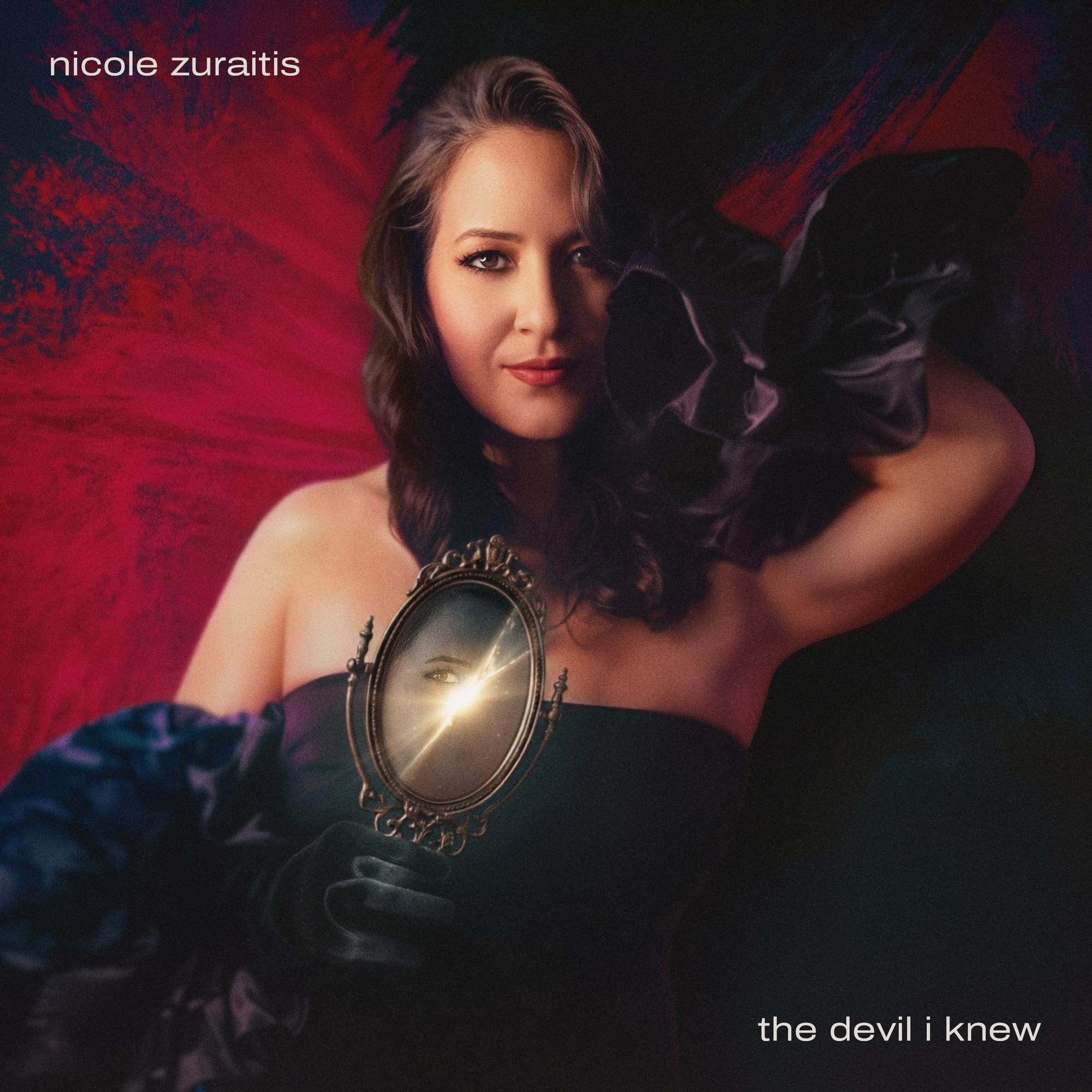
Image provided by Zuraitis
Colleen Clark: I can't wait to get into that record because right before we started I was revisiting those tunes again. For me, I get so distracted when I have your music on because I just go with you. I'm like where are we going? Nicole's taking us somewhere. You know what I mean? You have this power to really put us in a trance as a listener. I do feel like that it comes from just your natural loving, caring heart that is you. It's so interesting to hear how you're combining this skill set of businessminded things plus never getting away from what's important, which is being yourself. So with that, can you talk a little bit about The Devil I Knew? How is it similar? How is it different? What do you expect the listener to take from it?
Nicole Zuraitis: I purposely made the album covers remind themselves of each other (The Devil I Knew and How Love Begins). I look older. I look more confident. The Devil I Knew is about realizing you're the villain in your own story. This was inspired by a friend of mine telling me a story about her life a couple years ago. She was describing a pretty tough situation that she had put her then husband into. Then she said, "Yeah, Nicole, it was so wild because as I was watching him suffer. I realized that I was the villain in the story." It really touched something in my soul. I was like, "Wow, what a wild concept that is." And how often do we not touch on that? Most of the time people see themselves as the victim. I spent most of my life in that box. Then a lot of people see themselves as the hero. Not often do people acknowledge and reckon with the fact that they have the ability to inflict pain, too. They're also completely in charge of their own story in a way. So, I was like, that's such an interesting concept for a record. I wanted to bring back storytelling and jazz. I call it jazzlore instead of folklore. We have jazzlore because I've brought in poets. I brought in all female poets from over a hundred years ago to kind of show this intergenerational voice as we discuss the reckoning and we discuss how women get through pain, even if it's kind of self-inflicted in a way. The people reading the poems are people that I admire. Johanna Telander is one of the only poets who is a living poet, but she's reading it herself. That's like the lore of it is that people will listen.
There are five chapters: The Mirror, The Martyr, The Malediction, The Reckoning, The Requiem. They all start with an intergenerational poem set to music and then my songs.
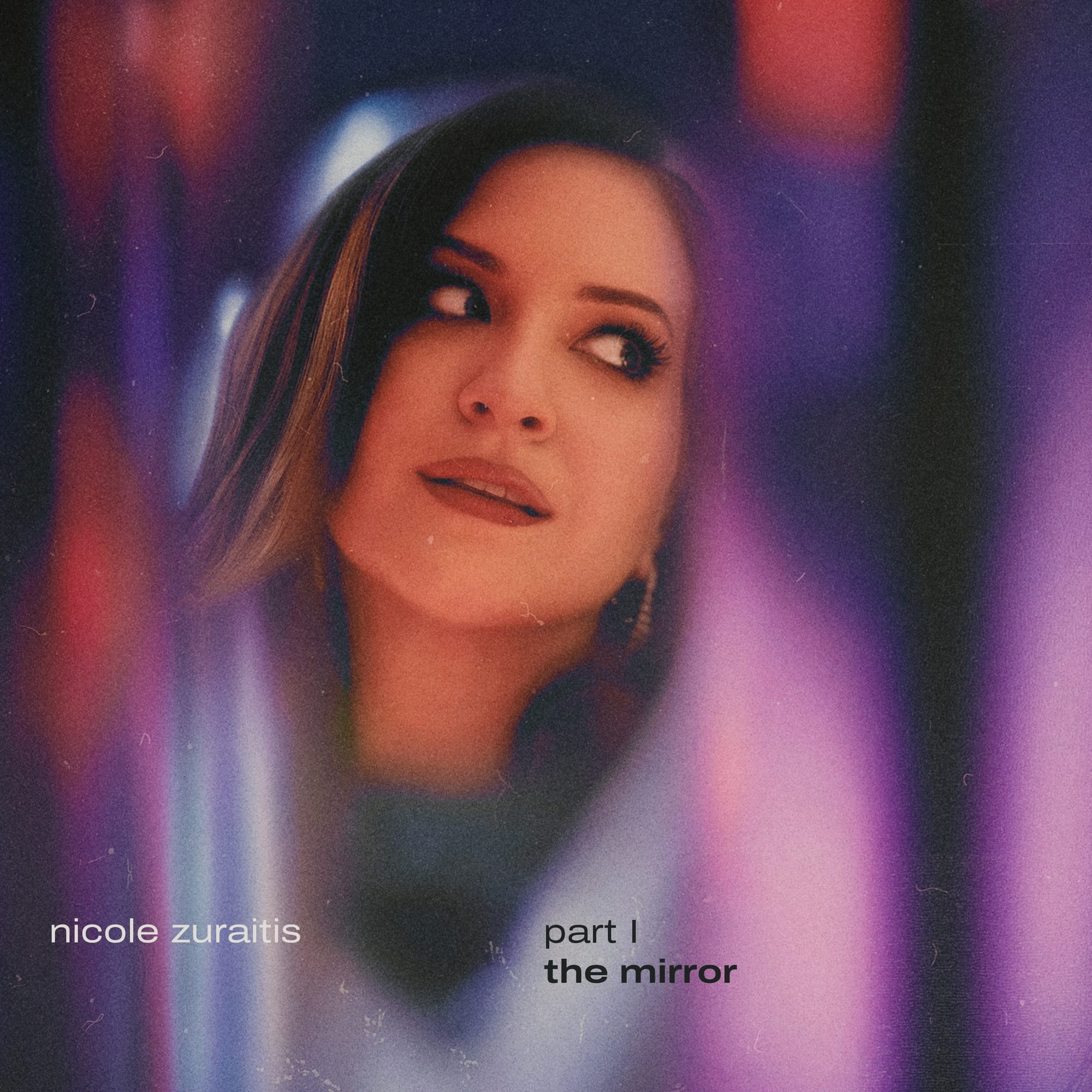
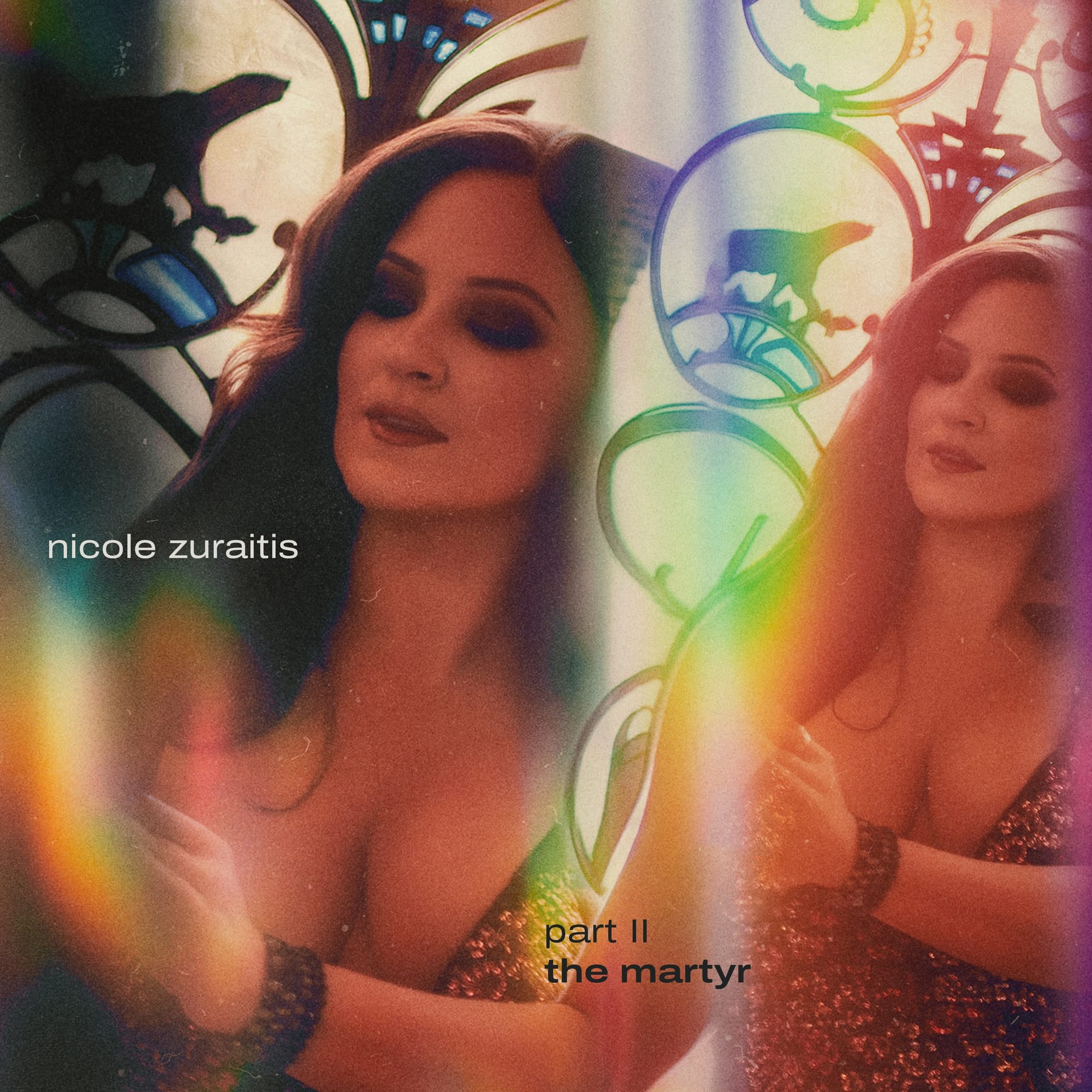
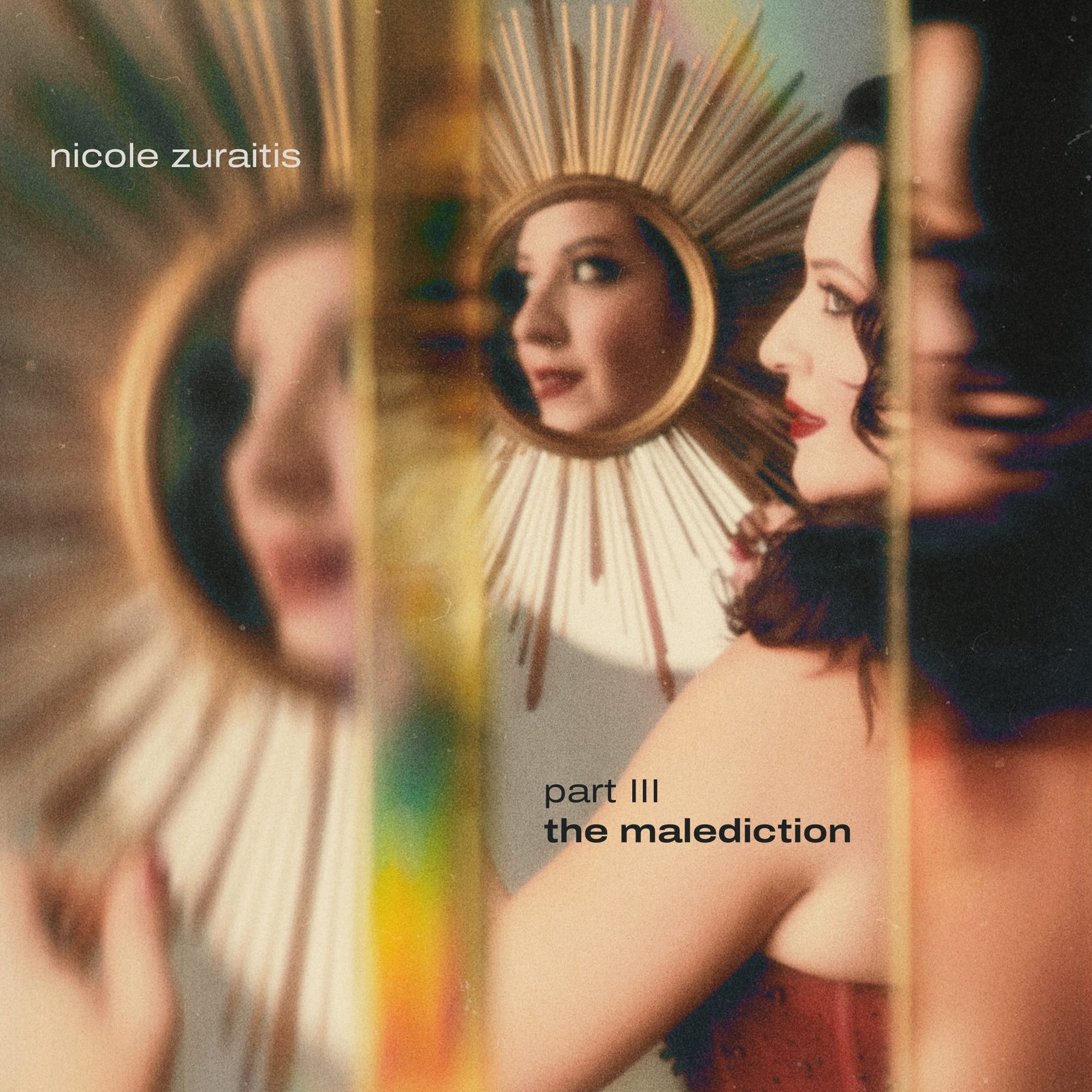
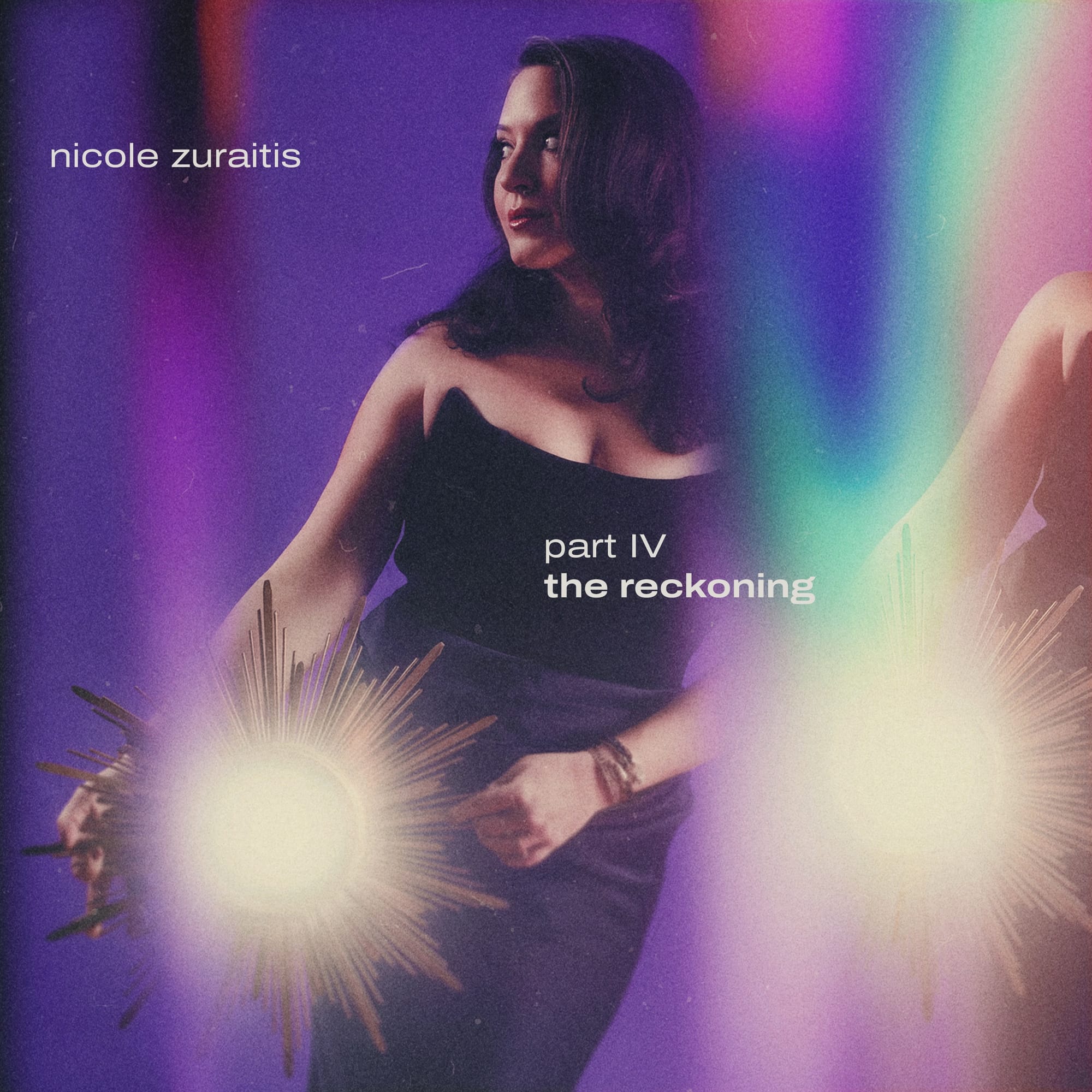
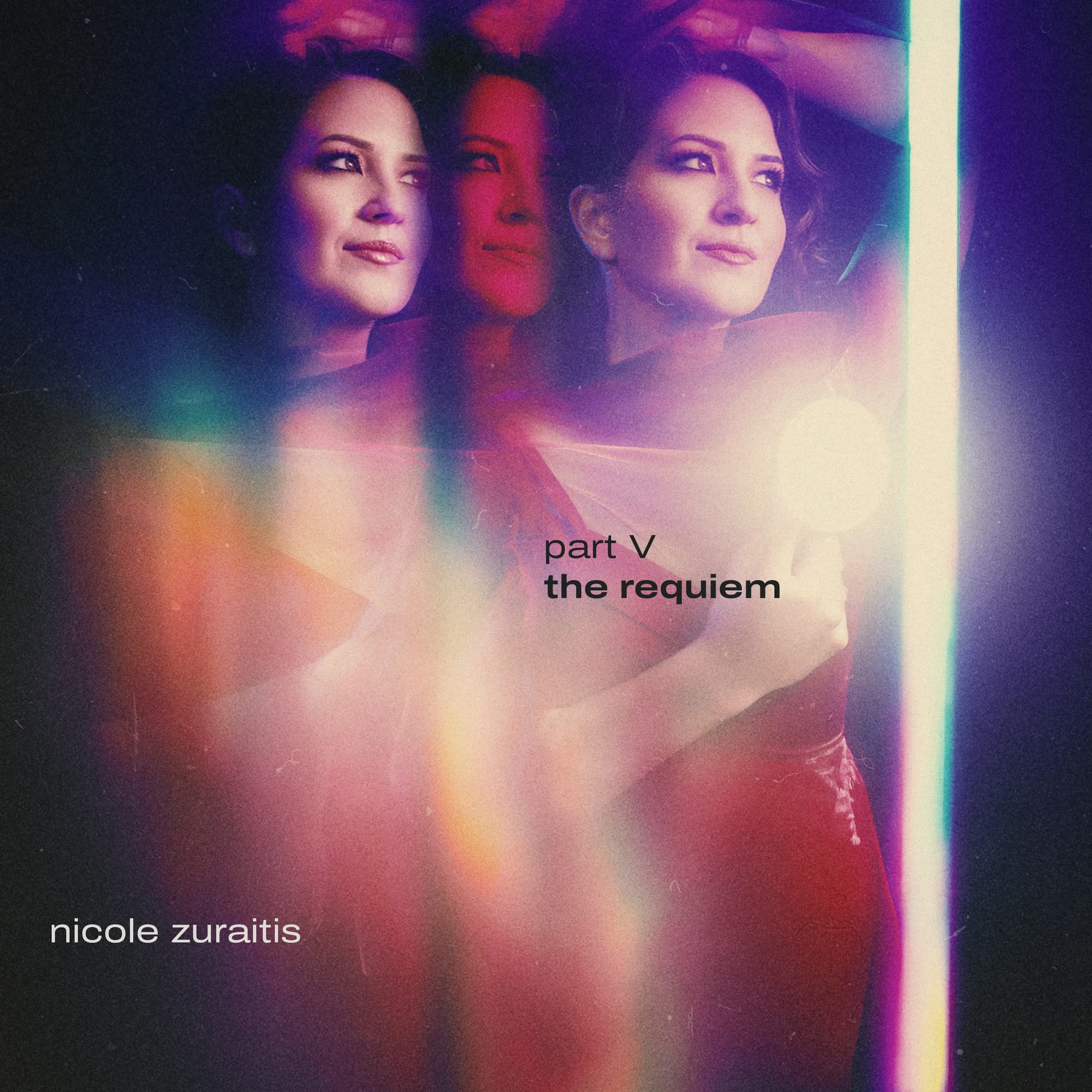
Images provided to The Jazz Sentinel by Zuraitis
Larry Klein is the producer. He's a brilliant brilliant human. It was an honor to work with him and to be in his orbit. It's truly incredible. He was so nice about allowing me to push the envelope with this because he was like, "Nicole, a 10 track record is still a lot of tracks." I was like, "How's 20? I'm like, "Well, here's why." I tell him the reason and he goes, "You're the artist and I support you.” So, here we are.
Colleen Clark: There seems to be one poem and three tunes for each chapter. Is that right? Was the music that you wrote a direct reflection of the poem? How did you structure the writing on each chapter?
Nicole Zuraitis: I love that question. So, the poems came after. Which is why I love narrative and a record because most of the songs I wrote are just out of necessity. I wrote them because they came to me. I wrote them in a co-write. I wrote them because I needed to heal. I wrote them in a plane.
Colleen Clark: So they were in your Nicole Zuraitis hundreds of songs songbook already?
Nicole Zuraitis: Then I handed them to Larry and then he chose what he thought were the strongest. Then we ended up writing “It Never Goes Away” with Jesse Harris. He's the guy who wrote “Don't Know Why” for Norah Jones because he was like we still need something else in here. When he said that that's when I had already started to piece together the narrative and I had set Edna St. Vincent Malay the poet to music before. I love her writing. She was a woman ahead of her time. I started thinking about poems again. I don't even know when it came to me but I had to hunt for poems that fit how I saw each chapter of the record. Then we had to create all the interludes and it's very dramatic. It's very dramatic.
Colleen Clark: That's very you. It's great.
Nicole Zuraitis: Look at the shoulder. Come on. You don't expect me to make a dramatic record. Look at the shoulder. It's one o'clock in the afternoon.
Colleen Clark: You'll never hear Nicole Zuraitis and the word boring in a sentence other than what I just said. I'm so intrigued. When you were choosing the poetry, how did you go about that research?
Nicole Zuraitis: That was crazy because I started… Oh my god.
Colleen Clark: I'm a nerd. I’ve got to know.
Nicole Zuraitis: I actually originally wasn't going to go all the way back to a 100 years ago because I found a Sylvia Plath poem that I loved, etc. After I had set them to music and got everyone to record it, I asked permission and all of them said no. Literally three out of the five. I'm not technically singing their words. I just wanted to check all my boxes and I said, you know, you can own the track even though nothing's being sung. I just want you to know that on my album you might hear the words of your estate. And they were like, "No, nope. We've decided no.” All of them." And so this was in December. We're supposed to have it mastered by January and so I went on this rampage of uh trying to find public domain.
I was struggling because I already knew what I wanted because I had chosen the other poems based on what they had to say. That's how I kind of shaped the narrative and the chapters. Then I had to find poems that fit these now gigantic holes. But luckily, you know, Emily Dickinson has something to say about it. Sarah Teasdale has something to say about it. Dorothy Parker is my new favorite. I'm obsessed with Dorothy Parker now. I'm like, am I Dorothy Parker? I love her so much. She’s such a pistol! So it was really fun. Everything about it was a blast.
Colleen Clark: Did you guys record it all at once?
Nicole Zuraitis: Yeah.
Colleen Clark: I think I know enough about you that you do like to record vocals live with the band.
Nicole Zuraitis: Yep.
Colleen Clark: So was this any different than what you normally do?
Nicole Zuraitis: No. I'm singing and playing the piano on the whole thing live. I think I re-did two songs, out in LA, but we did three days in the studio.
Nicole Zuraitis: Each day had a different lineup of musicians.
Colleen Clark: Are the chapters a band and then another band or is everything kind of interweaved?
Nicole Zuraitis: Completely interweaved. Then later poor Larry Klein, God bless him. If you know me, you know I am full of ideas! We do the three days in the studio. He goes back, he starts the mixing process. And I was like, "What about horns?" He was like, "Oh, that's a great idea. Let me call Jerry Haye the best arranger in the history of the world." I was like, "Oh my God." Okay. And then I was like, "You know what? I really hear strings on this." He's like, "Oh my god, I already mixed it, but okay. Vince Mendoza, are you free?" Next thing we got Vince on it. And all of this is possible because Susan Bloomberg, who is my friend from NYU, executive produced it. She's been part of the process every step of the way and she's a dear close friend. Susan was like, “Are those the best people?” I was like, “They're coming from Larry Klein’s mouth and he's a legend so if he says yes.”
It sounds so good. I’m thrilled!
Dolly the dog enters the frame.
Colleen Clark: Well, this is actually great because Dolly makes me think of our mutual buddy, Ricky Riccardi.
Nicole Zuraitis: I love him. He did the liner notes.
Colleen Clark: I cannot wait to read those. I'm looking at his books all on my shelf right now. He's the best.
Nicole Zuraitis: Absolute gem human. When I handed him a 20 track record, he didn't even bat an eye. He was like, "Cool." And he's the man.
Colleen Clark: I know you're a dreamer and I know that you think about things carefully. Is this record something that you had imagined before or did this kind of everything kind of fall into place?
Nicole Zuraitis: It's absolutely a dream record.
After I won the Grammy, I thought that I was going to get signed by a big label and that I would be able to make a record like this because this is something I would dream of doing with Larry Klein's, legendary status, with the arrangers of their status, with the band of that level, but also with my band who are equally of the same caliber. I've always wanted to do this and when I won I was like oh this is going to happen and a label will pay for it. Everything is going to line itself up and I know I've really made it. The label didn't come around and I was talking to Susan and she had you know said over the you know past couple years she's like whenever you want like I'm happy to executive produce one of your records. She was like well what does a label do? I was like, "Well, they basically give you a gigantic loan that you have to recoup." They also the marketing and a gigantic team with connections. And she was like, "Well, can I act as your label to the best of my ability?" And you know, I remember having the first talk with Larry and we were talking about how much everything was going to cost and he knew that it was coming out of our pockets. I started to cry at one point and I just said, I'm so embarrassed that we're still independent here, and that you can't just ask for whatever your gigantic deserve fee is. Then he was like, “Nicole, I want to work with you.” Everybody who did the project wants to work with us and knows that we are doing this from the ground up.
I'm super grateful to Susan and I'm actually really grateful in the long run that I still own the masters and I don't owe anybody anything.
I would never say this normally, but I want to find a label who made a better record than this this year. Sonically, you can not like the music. You could think that the concept sucks, but the quality of the recording, the engineers, the playing, the way it sits in the mix. It's unbelievable. I'm so proud of it.
Nicole Zuraitis: When have I ever said anything nice about myself? What is this? What's happening?
Colleen Clark: This is breaking news!
Colleen Clark: Earlier you’d mentioned something called the Jazz Police. Would you be comfortable going into what that means for you? I do think it directly affects what we're trying to do here, as a newer media jazz company that is focused on jazz. While we’re not trying to be another jazz publication, we're actually trying to share more information, get into deeper topics with artists like we're doing today and really just affect some kind of positivity through truth. We're not censoring anything that we're saying. We are very much open to criticism when we get it, you know what I mean? So I'm curious, regarding criticism and jazz critics, what's your take on that right now? Do you care anymore?
Nicole Zuraitis: Oh man, of course I care. I think I always walked the beat of my own drum in this industry, but I was always handing out mallets like, "Do you want to also come with me though because I don't want to be alone, you know, because it's exhausting. It's scary." Forging a path is really lonely and that's actually why I started Modern Song Book Society, just like why you started The Jazz Sentinel is like we're looking for positivity. We're looking for inclusion. We're looking for community. We're looking for people to stop saying this is not it and start saying good for you for thinking outside the box. Good for you for even having the wherewithal to try. Good for you. And you know, I'm not saying this from a woke professorship kind of vibe where everything is great and everyone is good and there's no such thing as feedback. I'm not saying that at all. I'm just saying that for me the jazz police were mostly just people who had decided that there's one type of jazz and if you strayed from that then you're not a jazz singer. When I was in the Sarah Vaughan Jazz Vocal Competition, two times I had terrible things said to me. The first was when they called me to say that I got in. The guy was like, "Yeah, you actually weren't one of the top five finalists." And frankly, I don't really think you're much of a jazz singer. You're more of like an R&B singer, but one of the other top five dropped out, so you're in.” I was like, "Cool. Thanks." Then as I was doing the competition and we were doing the rehearsals, he's like, "You actually can really sing jazz." I was like, "Who are these people?" At the time, I had no confidence. So I was like, "Can I? Can I?" And then when I, you know, placed I didn't win. One of the judges was like, "She's a rock singer. That's not a jazz singer."
I learned a lot that I didn't come up through the jazz academia ranks. I didn't go through Betty Carter. I didn't go to jazz school. I didn't go to all the fancy jazz camps. I just went to Litchfield Jazz Camp and studied there. And even there, I love them all very much now. But they were always like, "Nicole, you got to get your s*** together with jazz." But the thing is, back then I didn't even know what it meant to understand like the language of jazz. When I was 31 years old did I get it. When they say sing the changes, they mean oh I get it. Like when I solo, I'm supposed to immediately have the language in my bones. If I was to play devil's advocate for the jazz police, it's that we want to preserve the tradition of jazz. I get it now that I understand what that even means. Like now that I understand that it's Black American Music, now that I understand that the language is learned by the transcriptions and listening. The language is by doing, the language is by studying bebop. It's by studying everything in jazz. I understand that. I wish and maybe I'm actually starting to see it now. A lot of those same people who are holding the gate are allowing people in as well. I want them to say yes and. I want them to say okay make sure you learn this because if you want to put the word jazz anywhere near your mouth you have to at least know these rudimentary things about it. But yes and but how do you see it now? Can you incorporate that language into what you're doing? That's again why the Modern Song Book Society started because I think all of us are first and foremost jazz singers or jazz composers.
Colleen Clark: Can you talk about Modern Song Book Society? Where did this come from? Where is it going? What are your hopes and dreams for for this amazing new society?
Nicole Zuraitis: It’s kind of a movement. There's a couple things. When How Love Begins won the Grammy, I asked myself, “Why hasn't anyone ever written an entire album of original music in jazz?” They've done that in folk. They've done that in pop. They've done that in country. They've done it everywhere else, but why not jazz? Why are we not embracing the songwriters? Then I started to research it more and more, and I realized that again with the whole jazz police thing, it's like every time I wrote a song with a poppy or a catchy melody, they would say, "Oh, that's pop or that's cabaret." And I was like, "What is what and who are you to say?" And I started thinking about and looking for living jazz songwriters.
I realized that storytelling was not part of jazz. Composers thought process when they're writing lyrics, a lot of it is like very tell don't show as opposed to show don't tell. You know, it's very obvious lines through composed, maybe no rhyming at all, no scheme, no song form, no motivic development. And I'm going, why is this? Why are people so afraid? It kind of boils down to people in jazz having been conditioned to think that it has to be hard to be good. I don't believe that that is true. I think that a song that is catchy is the hardest thing to write. Writing a song that you can remember that can stand the test of time is so much harder than writing something that you just kind of vomited out using all of your musical theory knowledge. People who look down at a song because it has, I don't know, this song only has seven chords in it. Okay. Well, great. You write the lyrics. You write a lyric that moves someone to tears. Try it. It's incredibly hard. I'm still working on it. Every day of my life, I'm trying to be better. I'm trying to be better. I'm learning. I'm still trying to write that song. I'm still trying to write those songs that stand the test of time. I'm not done writing and I want to encourage an entire generation of people to write and to know that they don't have to make it a technical exercise to be a jazz composer. And then the one other thing I want to say is that in like critics polls across jazz, they always have a composer award, but they never have one for songwriting. I had someone say to me, "I don't like the word songwriter, Nicole. It makes it sound fluffy." And I said, "Well, that's interesting. I want to call it "Modern Song Book." Not that not because I agree, but because it feels more like a movement instead of just a trend.
Colleen Clark: It's such a neat thing that you're that you're doing. Do you think this will turn into some kind of collaboration record or volumes of artists? Would you be willing to share some of that? You don't have to tell us everything, but you know what's your plan?
Nicole Zuraitis: Oh, absolutely. I’ve got diabolical plans,
Colleen Clark: I bet you do.
Nicole Zuraitis: One is one is definitely a couple volumes of books by living songwriters because we're not trying to erase the Great American Song Book. We're trying to just amplify the living composers right now and make it a little bit more inclusive. Anyone can be a part of Modern Song Book Society. It's not just women. It's an inclusive society. Anyone who's a living composer can be part of it. Anyone who sings jazz can hopefully sing songs by living composers. A couple volumes of books are in the pipeline and a couple of recordings featuring some of the songwriters, different songwriters, and collaborative albums. We do songwriting circles in New York.
Colleen Clark: How do people sign up for this?
Nicole Zuraitis: You go to modernsongbookssociety.com and there's a form where you could submit your music for the book. You could submit it just to be part of it. You could sign up for the mailing list and there's an Instagram modernsongbooksociety. The proof of concept is what I was trying to get out there within the last 3 years because I really believe that it's a big gap in our industry that we needed to fill. I'm really excited for where it takes me.
 Modern Songbook Society
Colleen Clark: What are you up to for the rest of the year? Where can we hear you live? Where are you going?
Nicole Zuraitis: Oh, we're going everywhere, Dr. Clark. We're doing 80 release dates throughout 2026. 80. But we're going for my first time in Tokyo and Hong Kong, back to China. Then we do the East Coast, West Coast, then we go to Istanbul, back to Europe again for the fourth time. Then we go to Mumbai and all those dates are on uh nicolezmusic.com.
We're also playing August 5th at Dizzy's. The acceptance of Jazz at Lincoln Center and accepting me as a songwriter has been one of the greatest gifts that I think I could have had to help heal me because once the 55 bar closed I felt like I didn't have a home in New York. I was kind of always at Birdland playing like swinging dingling ding ding ding so I could keep a gig there. Jazz at Lincoln Center has taken me knowing full well that I'm a songwriter and brought me to China, put me at Lincoln Center and I’m super super grateful to them.
Access all areas
If you subscribe today, you'll get full access to the website as well as email newsletters about new content when it's available. Your subscription makes this site possible, and allows The Jazz Sentinel to continue to exist. Thank you!
By signing up, you'll get access to the full archive of everything that's been published before and everything that's still to come. Your very own private library.


